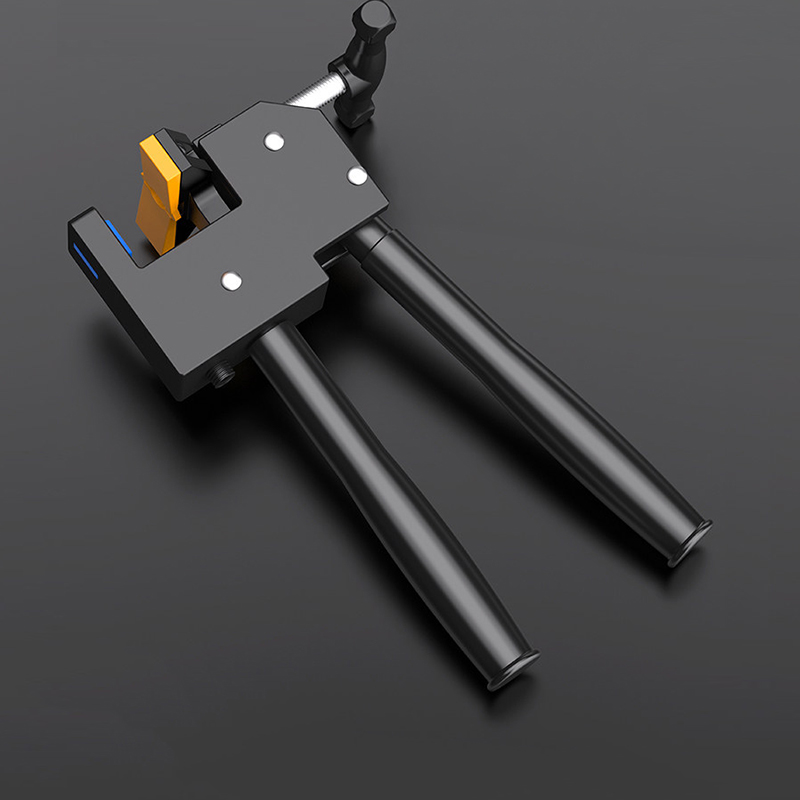
For professional tile installers, hand tools are used repeatedly across different projects, from residential bathroom renovations to commercial flooring installations. A tool that becomes difficult to operate, develops loose components, or delivers inconsistent results can interrupt daily work and increase replacement costs. This is why durability deserves attention when purchasing tile installation accessories. For construction tool distributors and professional buyers, selecting a reliable Tile Divider Breaking Plier involves more than comparing prices. Product construction, handling comfort, and manufacturing consistency all influence its practical value.

Repeated Use Places Different Demands on Hand Tools
Tile installation involves several operations, including measuring, scoring, separating, and adjusting tiles. Although breaking pliers may appear to have a simple structure, they are exposed to repeated mechanical pressure during use.
Over time, weak connections, unsuitable materials, or poorly aligned jaws may affect operating performance. This can become a concern for contractors who need dependable tools throughout multiple installation projects.
When evaluating a tile breaking hand tool, buyers should pay attention to the structural connection between the jaws and handles, the stability of moving parts, and the overall construction quality. These details provide a more useful indication of product suitability than appearance alone.
Handle Design Influences Working Comfort
Tool durability is important, but user comfort should not be overlooked. Installers may need to perform repeated adjustments when working with decorative tiles, narrow sections, or complicated installation layouts.
An uncomfortable grip can make handling more difficult, particularly during extended working periods. Handle length, grip shape, surface texture, and operating resistance all influence how a tool feels in practical use.
For distributors developing a professional tile tool range, comparing handle designs and requesting samples can help identify products that better match the expectations of their target customers.
Jaw Alignment Is Essential for Controlled Breaking
The jaw structure is one of the main functional considerations when selecting tile breaking pliers. Proper contact positioning helps transfer applied pressure to the intended area of a scored tile.
If the jaws are poorly aligned or have an unsuitable contact shape, users may experience inconsistent handling. However, the final breaking result also depends on tile material, thickness, scoring quality, and operator technique.
Before purchasing, professional buyers should evaluate:
- Jaw shape and contact surface.
- Alignment between the two working sections.
- Structural stability during operation.
- Suitability for the intended tile types.
- Ease of positioning along a scored line.
These factors help determine whether the product is appropriate for the intended installation tasks.
Material and Manufacturing Quality Affect Service Life
The materials used in the jaws, handles, and connecting components influence the overall performance of a hand tool. Buyers should consider mechanical strength, wear resistance, and the quality of component assembly.
Manufacturing consistency is equally important. Differences in machining, forming, assembly, and finishing can result in variations between individual products.
As a manufacturer, we consider these details during product evaluation and production control. Checking component fit, jaw alignment, handle connections, and finished appearance helps identify potential quality issues before products are delivered.
For overseas distributors, consistent specifications are particularly valuable when replenishing inventory or supplying tools to professional customers.
How Can Distributors Evaluate Products Before Bulk Purchasing?
Bulk purchasing decisions involve more than selecting a competitive quotation. Distributors need products that match local market expectations and maintain consistent quality across different orders.
A practical evaluation process should include:
- Sample testing: Examine the tool's handling, jaw positioning, and general construction.
- Specification confirmation: Check product dimensions, materials, and packaging requirements.
- Application review: Determine whether the tool suits the ceramic or porcelain tile applications targeted by customers.
- Quality communication: Discuss inspection standards and acceptable product variations with the manufacturer.
- Supply coordination: Confirm order quantities, lead times, and repeat-order arrangements.
This approach helps buyers assess product suitability before committing to larger purchases.
Why Is Manufacturer Communication Important for OEM Orders?
Construction tool distributors often serve different customer groups, each with specific preferences regarding product appearance, packaging, and product positioning. OEM cooperation can provide opportunities to develop a tool range that better reflects these market requirements.
However, customization should begin with clear technical communication. Buyers should provide drawings, samples, branding requirements, packaging details, and expected quantities where applicable.
A manufacturer with clear production coordination can help review these requirements and determine feasible customization arrangements. This is especially useful for distributors building private-label hand tool collections.
Make Durability Part of Your Purchasing Strategy
A suitable tile breaking tool should combine practical handling, stable construction, and consistent manufacturing quality. For professional installers, these characteristics support everyday work. For wholesalers and importers, they also influence customer satisfaction, product returns, and long-term supplier relationships.
When evaluating a Tile Divider Breaking Plier manufacturer, buyers should look beyond initial purchase costs and examine product structure, inspection procedures, customization capabilities, and supply consistency. A well-evaluated sourcing decision helps distributors build a more dependable tile installation tool range while giving professional users equipment suited to their actual working requirements.